Boot Review
Wolverine 1000 Mile Boot — The Definitive Review
Published: 2026-04-10 · Updated: 2026-04-10
Overview
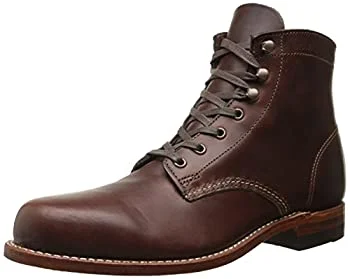
The Wolverine 1000 Mile Boot is an American heritage icon. First introduced in 1914, it was designed to be “the boot that could walk 1000 miles” — a bold claim that spoke to the quality of materials and construction that Wolverine poured into every pair. Over a century later, the modern iteration remains one of the most compelling heritage boots on the market, offering Horween Chromexcel leather and Goodyear welt construction at a price that undercuts many competitors.
Where the Red Wing Iron Ranger is rugged and workwear-forward, the 1000 Mile Boot is refined and versatile. Its sleek silhouette, stacked leather sole, and clean cap-toe design make it equally comfortable with raw denim and dark chinos. This is a boot for the person who wants heritage character without the bulk.
Construction & Materials
The 1000 Mile Boot is built on Wolverine’s No. 60 last, which produces a moderately narrow, elegant profile. Key construction details include:
- Leather: Horween Chromexcel — chrome and vegetable combination-tanned, hot-stuffed with natural oils and waxes
- Construction: Goodyear welt with a 270-degree welt
- Sole: Stacked leather outsole with Vibram rubber heel cap
- Insole: Leather
- Lining: Full leather lining throughout the shaft
The stacked leather sole is one of the defining characteristics of the 1000 Mile. Unlike rubber-soled boots, it provides a distinctive click on hard floors and develops its own patina on the edges over time. The trade-off is less traction on wet surfaces — more on that below.
Leather Quality
The Chromexcel on the 1000 Mile Boot is consistently excellent. Wolverine has a long-standing relationship with Horween, and it shows in the leather selection. Out of the box, the leather has a rich, deep brown tone with visible pull-up character. Press your thumb into the vamp and you will see the oils migrate, creating a lighter spot that slowly returns to normal.
Within weeks of regular wear, the Chromexcel begins its transformation. The vamp crease develops dramatic pull-up contrast, the toe box lightens slightly from contact and friction, and the quarters retain their original depth. By the six-month mark, the patina is genuinely stunning. For a deep dive into how Chromexcel ages across different boots, see our Patina and Aging Guide.
The leather thickness is moderate — thinner than a Red Wing Iron Ranger but thicker than most dress shoes. This strikes a good balance between structure and comfort, contributing to a faster break-in period.
Fit & Sizing
The No. 60 last runs true to size for most wearers. Some size down by half a size, but going with your Brannock measurement is generally safe. The last is narrower than Red Wing’s No. 8 last, so those with wider feet may want to try the EE width.
For reference, if you wear a US 10D in sneakers:
- Wolverine 1000 Mile: Try US 9.5D or 10D
- Red Wing Iron Ranger: Try US 9D or 9.5D
The boot accommodates medium-weight socks well. Thick wool socks may feel snug in D width.
Break-In Experience
This is where the 1000 Mile Boot shines compared to stiffer heritage competitors. Thanks to the Chromexcel leather and leather sole, the break-in period is remarkably mild. Most owners report comfortable all-day wear within 7-10 days.
The heel may feel slightly stiff initially, and the leather sole will be slippery on smooth surfaces until the surface roughens naturally. Scuffing the sole on concrete before your first wear helps with traction.
The one break-in pain point is the leather insole, which takes time to develop a footbed impression. Unlike boots with cork or Poron insoles, the 1000 Mile relies entirely on the leather insole molding to your foot. This happens naturally over 2-3 weeks of regular wear. For detailed break-in techniques, see our Break-In Guide.
Long-Term Performance
The Good
After break-in, the 1000 Mile Boot becomes remarkably comfortable. The leather insole molds to your foot precisely, the Chromexcel upper becomes soft and supple, and the overall fit improves with every wear. The patina development on Chromexcel is among the best in the boot world — dramatic, fast-developing, and unique to each wearer.
The Goodyear welt construction means the boot is fully resolable. When the leather sole wears through — typically after 2-3 years of heavy rotation — any competent cobbler can attach a new sole. For details on the resoling process, see our Resoling Guide.
The Concerns
The leather sole is the most polarizing aspect of the 1000 Mile. On dry surfaces, it is elegant and comfortable. On wet surfaces — particularly smooth tile, polished stone, or wet metal grates — it is dangerously slippery. This is not a boot for rain or snow unless you add a rubber half-sole (a “topy”) to the bottom.
The stacked leather sole also wears faster than rubber alternatives. The heel area, in particular, shows wear quickly. The Vibram rubber heel cap helps, but the forepart is pure leather and will show heel drag and toe scuffing within months. This is normal for leather-soled footwear and is addressed easily during resoling.
Maintenance
The 1000 Mile Boot requires minimal care thanks to its Chromexcel upper:
- Daily: Brush with a horsehair brush after each wear
- Weekly: Insert cedar shoe trees and allow 24+ hours between wears
- Monthly: Condition with Venetian Shoe Cream or Bick 4 if the leather feels dry
- As needed: Touch up edge dressing on the sole and heel stack
Avoid heavy waxes and polishes — Chromexcel responds best to light, neutral conditioners. The leather already contains enough oils and waxes from the tanning process that it rarely feels dry during regular wear.
For a complete care routine, see our Leather Boot Care Guide.
How It Compares
Wolverine 1000 Mile vs Red Wing Iron Ranger
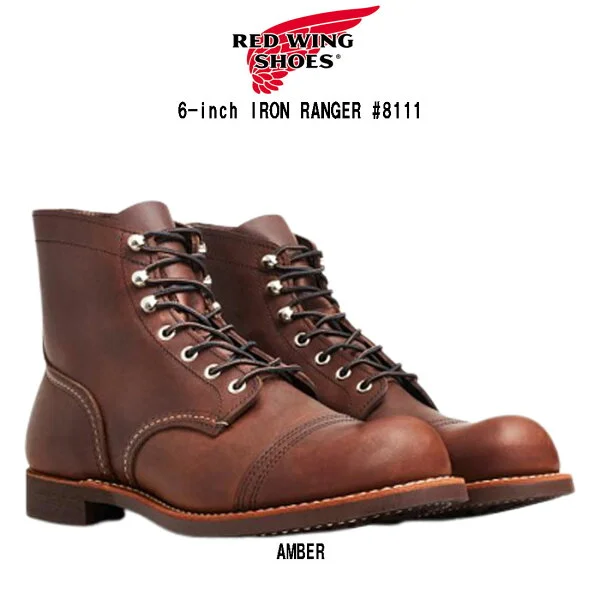
The Iron Ranger ($350) is heavier, stiffer, and more rugged. Its Vibram 430 Mini Lug sole provides far better traction, and the double-layered toe cap adds a workwear edge. The 1000 Mile ($400) is sleeker, more refined, and better suited to smart-casual settings. The Iron Ranger wins on durability and bad-weather performance. The 1000 Mile wins on versatility and break-in comfort. Read our Iron Ranger Review for the full comparison.
Wolverine 1000 Mile vs Grant Stone Diesel Boot
The Grant Stone Diesel ($360) uses the same Horween Chromexcel but offers arguably better construction quality at a lower price. The Leo last is slightly wider and more forgiving than the Wolverine No. 60. The rubber sole provides better traction. The 1000 Mile wins on heritage cachet and the distinctive leather sole aesthetic, but the Diesel Boot is objectively the better value.
Wolverine 1000 Mile vs Thursday Captain
The Thursday Captain ($199) brings the price down dramatically while offering Chromexcel leather and Goodyear welt construction. The Captain uses a Poron insole for immediate comfort rather than the leather insole of the 1000 Mile. The 1000 Mile offers superior leather selection, full leather lining, and a more elegant silhouette. If budget is a concern, the Captain is excellent. If you want the refinement, the 1000 Mile justifies the premium.
Who Should Buy This Boot
The Wolverine 1000 Mile Boot is ideal for:
- Those who want a heritage boot that works with both casual and smart-casual outfits
- Chromexcel enthusiasts who appreciate dramatic patina development
- Wearers who primarily walk on dry, urban surfaces
- Anyone looking for a faster, gentler break-in compared to Red Wing
It is not ideal for:
- Wet climates or frequent rain (unless you add a rubber half-sole)
- Heavy outdoor or construction use
- Those who need maximum traction
Verdict
The Wolverine 1000 Mile Boot remains one of the most compelling heritage boots in its price range. At $400, you get genuine Horween Chromexcel, full leather construction, Goodyear welt resolability, and a silhouette that has stood the test of time for over a century. The leather sole is a divisive choice — beautiful but impractical in wet conditions — yet it gives the 1000 Mile a character that rubber-soled competitors simply cannot match.
If you can live with the traction limitations (or are willing to add a topy), the 1000 Mile Boot rewards you with one of the most satisfying aging experiences in the boot world. Few boots under $500 develop patina this beautifully.
Rating: 8.5/10 — A refined heritage classic that earns its reputation, with the leather sole being its only real weakness.
🥾 Featured Boots in This Article