Leather Guide
The Art of Leather Patina: How Your Boots Tell Your Story
Published: 2026-04-07
Walk into any heritage boot forum and you will find entire threads dedicated to a single topic: patina. Collectors post photos of their boots at the six-month mark, the one-year mark, the five-year mark — documenting the slow transformation of new leather into something deeply personal. Patina is not wear. It is not damage. It is the visual story of how you live your life, written in leather.
What Is Patina?
Patina is the natural change in leather’s color, texture, and sheen that occurs through use, exposure to the elements, and regular conditioning. It encompasses everything from the deepening of color in high-wear areas to the development of creasing patterns unique to your foot shape and gait.
Unlike synthetic materials that simply degrade, quality leather evolves. A pair of boots that looks good on day one can look extraordinary after a year of wear. This is what separates genuine leather footwear from everything else — it gets better with time.
How Different Leathers Age
Not all leathers develop patina in the same way. Understanding the characteristics of common boot leathers will help you choose the right pair for the look you want.
Chromexcel (Horween)
Chromexcel is the patina king for casual boots. This combination-tanned leather from Horween is loaded with oils, waxes, and greases that create dramatic pull-up effect — lighter color appears where the leather is stretched or bent. Over time, Chromexcel develops rich color variation, with lighter tones on the toe box and flex points contrasting against the deeper original color in less-worked areas.
Chromexcel ages quickly and dramatically. Within a few months of regular wear, you will see noticeable character developing. The trade-off is that it scratches easily, though most scratches can be rubbed out with your thumb.
Best example: The Viberg Service Boot 2030 in Chromexcel is arguably the definitive patina boot.
Oil-Tanned Leather
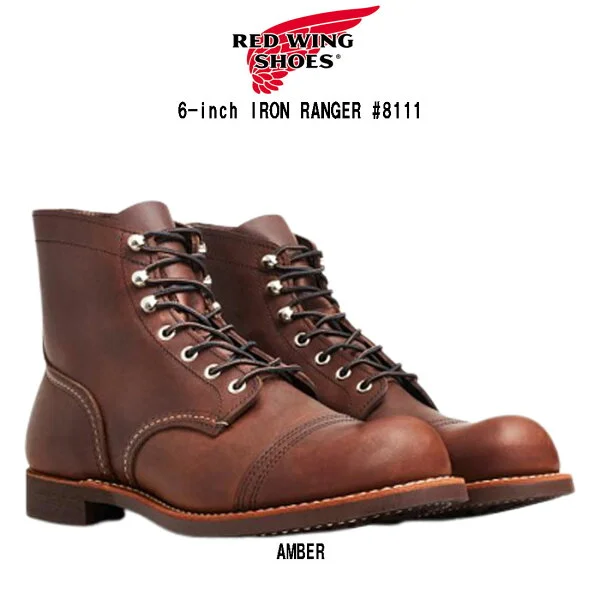
Oil-tanned leathers like Red Wing’s Amber Harness develop a rugged, workwear-style patina. The surface darkens in high-contact areas and can develop a waxy bloom that adds character. These leathers are more forgiving of rough use and develop patina that tells a story of hard work rather than careful curation.
Best example: The Red Wing Iron Ranger 8111 in Amber Harness ages into a boot that looks like it has been passed down through generations.
Calf Leather
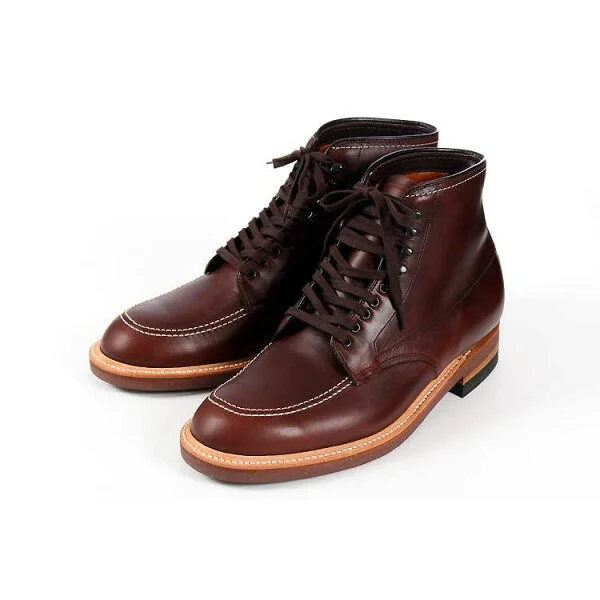
Calfskin is the classic choice for dress boots and refined footwear. It develops a more subtle, elegant patina — a deepening of color and a gradual increase in luster rather than the dramatic color shifts of Chromexcel. Proper care with quality cream polish accelerates the development of a mirror-like depth.
Best example: The Alden Indy Boot 403 in brown calfskin develops a warm, sophisticated patina that bridges casual and dress wear.
Roughout and Suede
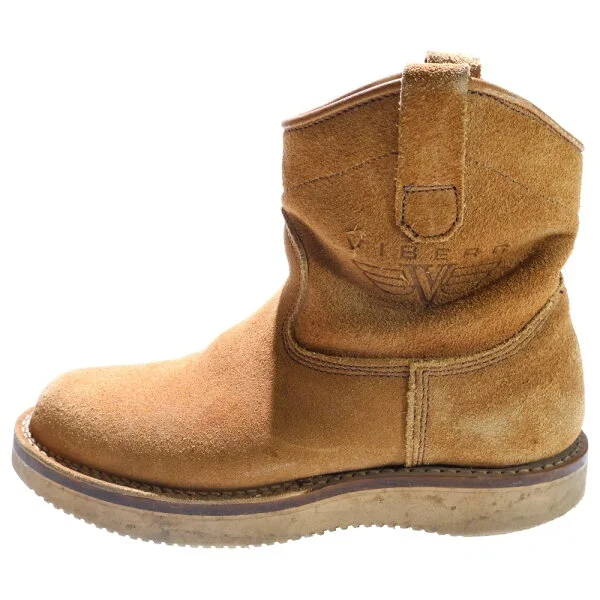
Roughout (the flesh side of leather worn outward) develops patina differently from smooth leather. Rather than color changes, roughout develops texture — the nap flattens in high-wear areas, creating contrast between smooth, burnished spots and the original fuzzy texture. Some wearers apply mink oil or leather conditioner to roughout for an even more dramatic transformation.
Shell Cordovan
Shell Cordovan deserves its own category. Rather than creasing like conventional leather, it rolls — forming distinctive ripples on the vamp that collectors call “cordovan rolls.” Over years, Shell Cordovan develops a deep, mirror-like luster that is simply unmatched. Its patina is slower to develop but more dramatic in the long run.
Factors That Affect Patina Development
Wear Frequency and Rotation
Boots worn daily develop patina faster but may not age as gracefully as boots in a proper rotation. Giving your boots at least one full day of rest between wears allows the leather to dry completely and recover its shape, leading to more even patina development. A three- or four-pair rotation is ideal.
Climate and Environment
Humidity, rain, sun exposure, and temperature all affect how leather ages. Boots worn in dry climates tend to develop lighter, more faded patina. Boots exposed to moisture and humidity develop deeper, more varied color. Sun exposure can lighten some leathers and darken others — there is no universal rule.
Conditioning Products
What you put on your boots matters enormously. Over-conditioning can darken leather permanently and create a muddy appearance. Under-conditioning can lead to dryness and cracking rather than beautiful aging. The key is to condition only when the leather feels dry — typically every four to eight weeks for regular wear.
Your Body Chemistry
This is the factor nobody talks about. Your body heat, sweat patterns, and the oils from your skin all interact with the leather in unique ways. This is why two identical pairs of boots, worn by different people in identical conditions, will develop completely different patina. Your patina is genuinely yours alone.
Tips for Developing Beautiful Patina
1. Start with Quality Leather
Patina requires quality raw material. Cheap corrected-grain leather does not develop patina — it simply wears out. Full-grain leather from reputable tanneries is essential. Look for boots using Horween, Shinki Hikaku, or other respected tanneries.
2. Use Shoe Trees Religiously
Cedar shoe trees maintain the shape of your boots between wears, preventing excessive creasing and allowing the leather to dry evenly. This leads to more uniform, attractive patina rather than deep, harsh creases.
3. Brush After Every Wear
A 30-second brushing with a horsehair brush after each wear removes dirt and redistributes surface oils. This simple habit is the single most effective thing you can do for patina development. It costs nothing and takes almost no time.
4. Condition Thoughtfully
Less is more. Use a quality conditioner like Bick 4 or Venetian Shoe Cream sparingly. Apply a thin layer, let it absorb, then brush vigorously. Avoid heavy wax-based products unless you specifically want a darker, more weathered look.
5. Embrace Imperfections
A scratch on the toe. A water stain on the vamp. A scuff from kneeling down to tie your kid’s shoes. These are not flaws — they are the story. Resist the urge to “fix” every mark. Over time, these individual events blend into a cohesive patina that makes your boots uniquely yours.
6. Document the Journey
Take photos of your boots when they are new and at regular intervals afterward. The changes happen gradually enough that you may not notice day to day, but comparing month-over-month photos reveals the remarkable transformation that quality leather undergoes.
The Philosophy of Patina
In Japanese aesthetics, there is a concept called wabi-sabi — finding beauty in imperfection and the natural passage of time. Leather patina is wabi-sabi for your feet. It is a rejection of the disposable culture that says everything should look factory-new forever.
When you invest in a quality pair of boots and wear them through the seasons of your life, you end up with something that no amount of money can buy: a pair of boots that could only belong to you, shaped by your feet, marked by your experiences, and made more beautiful by every mile walked.
That is the art of patina.
🥾 Featured Boots in This Article