Care Guide
How to Break In Leather Boots Without the Pain
Published: 2026-04-06 · Updated: 2026-04-06
Why New Leather Boots Feel Stiff
Every quality leather boot starts out rigid. The thick hides used in welted construction — whether full-grain cowhide, Chromexcel, or shell cordovan — need time and movement to mold to the unique shape of your foot. The insole, midsole, and outsole also need to flex and form a footbed impression. This process is completely normal and a sign that your boots are built to last.
How Long Does Break-In Take?
Expect the following general timelines:
- Chrome-tanned leather (Chromexcel, Thursday Chrome) — 1-2 weeks of regular wear
- Vegetable-tanned leather (Red Wing Oro, Amber Harness) — 2-4 weeks
- Shell cordovan — 3-6 weeks (worth every day of patience)
- Heavyweight oil-tanned leather — 2-3 weeks
These are estimates based on wearing your boots 4-6 hours per day. Factors like leather thickness, sole construction, and your foot shape will all affect the timeline.
Proven Break-In Methods
Thick Socks and Short Sessions
The simplest and safest approach. Wear your new boots with heavy wool or hiking socks for 1-2 hours at a time around the house. Gradually increase the duration over the first two weeks. This allows the leather to stretch gently around pressure points without causing blisters.
Leather Conditioner Application
Apply a quality leather conditioner like Bick 4 or Venetian Shoe Cream before your first wear. This softens the fibers and makes them more pliable. Focus on areas that tend to be stiff — the heel counter, the vamp crease area, and anywhere the boot feels tight against your foot.
The Damp Sock Method
For stubborn boots, wear slightly damp thick socks inside your boots for 30-60 minutes. The moisture helps the leather stretch and conform to your feet faster. After removing the boots, insert cedar shoe trees immediately to maintain the shape and absorb excess moisture.
Boot Stretcher for Targeted Relief
A boot stretcher can help with specific tight spots like the toe box or instep. Insert it overnight with the expansion knobs positioned at your pressure points. This is especially useful for boots where one specific area causes discomfort while the rest fits well.
Walk on Different Surfaces
Once you’ve done a few indoor sessions, take your boots outside on varied terrain. Walking on concrete, gravel, and uneven ground forces the sole to flex in multiple directions, speeding up the break-in process for the entire boot structure.
Mistakes to Avoid
- Never submerge boots in water — Soaking will damage the leather, welt stitching, and adhesives
- Avoid heat sources — Hair dryers and heaters dry out leather and cause cracking
- Don’t push through serious pain — Sharp pain means the fit is wrong, not that you need more break-in
- Skip the rubbing alcohol trick — It dries leather fibers and shortens boot life
- Don’t wear brand-new boots all day — Start with short sessions and build up gradually
Boot-Specific Break-In Tips
Red Wing Iron Ranger
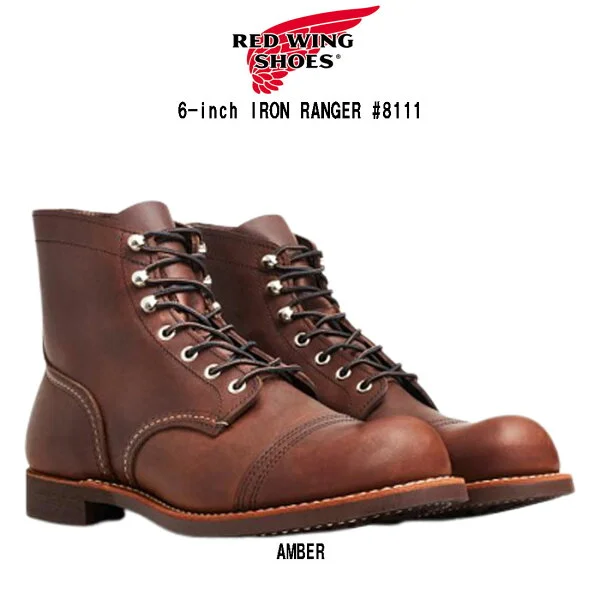
The Iron Ranger uses thick oil-tanned leather and a hefty leather sole. Expect a firm 2-3 week break-in. Apply Red Wing Leather Cream to the vamp area before your first wear. The toe box is notoriously stiff — thick socks and patience are your best tools here.
Thursday Captain
Thursday’s Chrome leather is softer from day one. Most owners report a comfortable fit within a week. Light conditioning before first wear is sufficient. The Poron insole helps with comfort during the break-in period.
Grant Stone Diesel Boot
Grant Stone uses high-quality Chromexcel that breaks in within 1-2 weeks. The leather molds beautifully to the foot. Minimal conditioning is needed — Chromexcel is already oil-rich. Focus on sole break-in by walking on hard surfaces.
Signs Your Boots Are Broken In
- The leather flexes easily at the vamp crease without resistance
- No hot spots or pressure points during a full day of wear
- The footbed shows a visible impression of your foot shape
- The sole bends naturally with your stride
- Putting them on feels effortless compared to day one
Conclusion
Breaking in leather boots requires patience, not force. Stick with the gradual approach — thick socks, short sessions, and quality conditioner — and your boots will reward you with years of comfortable wear. Every great pair of broken-in boots tells a story, and that story starts with those first careful steps.
🥾 Featured Boots in This Article