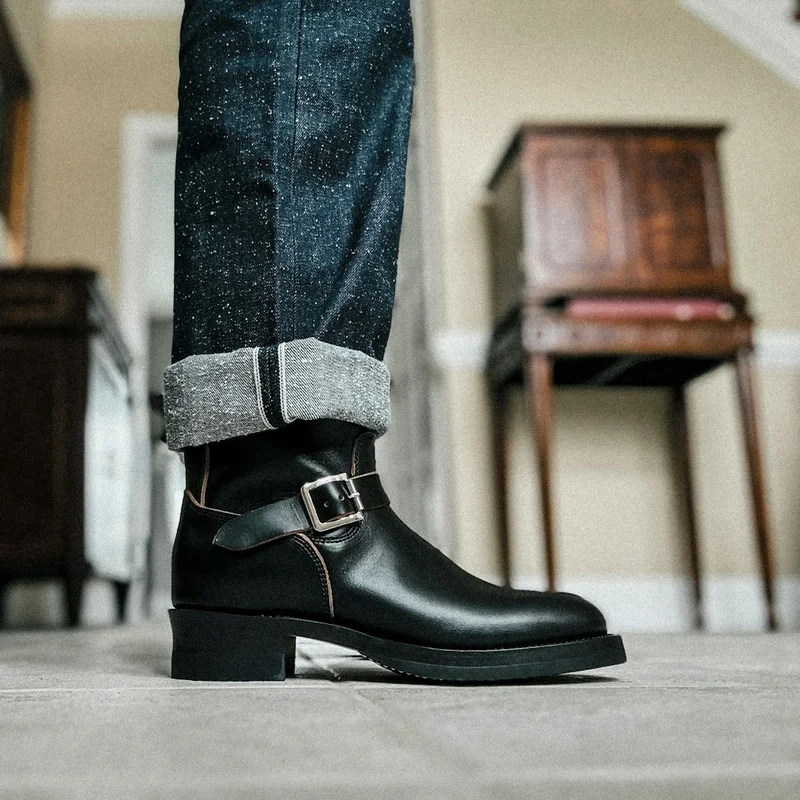
Leather Guide
Chromexcel Leather: The Complete Guide to Horween's Most Popular Leather
Published: 2026-04-10 · Updated: 2026-04-10
What Is Chromexcel?
Chromexcel is a combination-tanned leather produced exclusively by Horween Leather Company in Chicago. First developed over a century ago, it has become the single most popular leather in the heritage boot world. Walk into any boot enthusiast forum and you will find Chromexcel mentioned more than any other leather — and for good reason.
What sets Chromexcel apart is its pull-up character. When you press your thumb into the surface, the oils and waxes within the leather migrate, creating a lighter area that slowly returns to its original color. This same effect happens naturally at flex points and creases during wear, producing dramatic color variation that makes every pair of Chromexcel boots unique.
The Tanning Process
Horween’s Chromexcel tanning process is a closely guarded trade secret, but the broad strokes are known. It involves at least 89 separate steps and takes approximately 28 days to complete. The process combines two tanning methods:
- Chrome tanning: The hides are first chrome-tanned for durability and softness
- Vegetable re-tanning: A secondary vegetable tan adds depth of color and structure
- Hot stuffing: The leather is loaded with a proprietary blend of natural oils, greases, and waxes — including food-grade beef tallow, cosmetic-grade beeswax, and marine oils
- Hand glazing: Each hide is glazed by hand on a vintage jack machine for a subtle sheen
The result is a leather that is supple, rich, and loaded with character from day one. The heavy oil and wax content is what gives Chromexcel its signature pull-up effect and makes it remarkably forgiving of scratches and scuffs — most can be rubbed out with your thumb or a cloth.
Properties at a Glance
- Durability: 4/5
- Water Resistance: 3/5
- Patina Development: 5/5
- Suppleness: 5/5
- Ease of Maintenance: 4/5
How Chromexcel Ages
Chromexcel is widely regarded as the best patina leather in the heritage boot world. The aging process begins almost immediately. Within the first week of wear, you will notice lighter pull-up marks forming at the vamp crease and around the toe box. By the one-month mark, the contrast between high-wear areas and protected areas becomes pronounced.
Over months and years, Chromexcel develops rich tonal depth. The toe cap may lighten to a warm honey while the quarters retain their original deep brown. Creases develop a distinctive character — softer and more organic than the sharp creases typical of stiffer leathers. The surface develops a natural luster from handling and brushing that photographs beautifully.
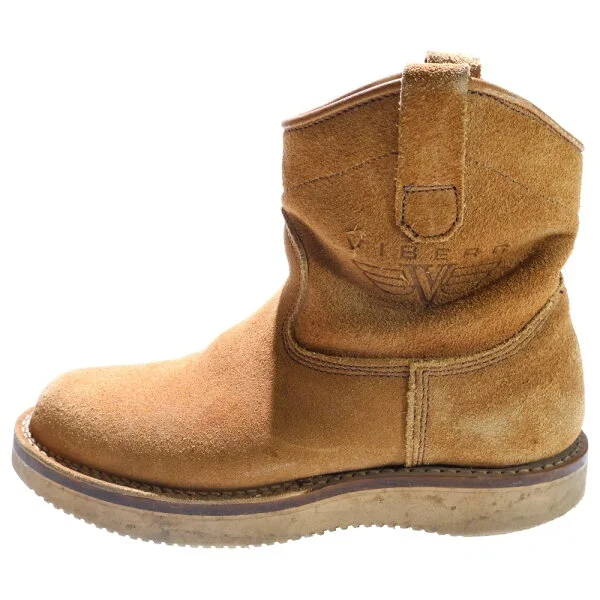
The speed and drama of Chromexcel’s patina is why makers like Viberg, Alden, and Grant Stone favor it for their flagship boots. A pair of Viberg Service Boot 2030 in Chromexcel at the two-year mark looks nothing like it did on day one — and that transformation is the entire point.
Chromexcel vs Other Boot Leathers
Chromexcel vs Shell Cordovan
Shell Cordovan is denser, more expensive, and develops patina more slowly. Where Chromexcel creases, Shell Cordovan rolls. Shell Cordovan is more formal and polished; Chromexcel is more casual and rugged. Both are excellent — they simply serve different purposes. If you want dramatic, fast-developing character, choose Chromexcel. If you want a mirror-like luster that builds over years, choose Shell Cordovan. For a deep dive into Shell Cordovan, see our Shell Cordovan Complete Guide.
Chromexcel vs Oil-Tanned Leather
Red Wing’s oil-tanned leathers (Amber Harness, Copper Rough & Tough) are stiffer, more structured, and develop a different kind of patina. They darken and develop a waxy bloom rather than the pull-up color variation of Chromexcel. Oil-tanned leathers also require a longer break-in period. Chromexcel wins on suppleness and immediate comfort; oil-tanned leathers win on structure and ruggedness.
Chromexcel vs Calfskin
Calfskin is thinner, smoother, and more refined. It takes a polish beautifully and is the standard for dress shoes. Chromexcel is thicker, oilier, and more casual. You would not use Chromexcel for a formal cap-toe oxford any more than you would use calfskin for a rugged service boot. Each leather occupies its own niche.
Care & Maintenance
Chromexcel is one of the easiest leathers to maintain, thanks to its heavy oil content. Less is more — over-conditioning is the most common mistake.
Daily Care
- Brush with a horsehair brush after each wear to remove dust and redistribute surface oils
- Insert cedar shoe trees to absorb moisture and maintain shape
Conditioning (Every 2-3 Months)
- Apply a thin layer of Venetian Shoe Cream or Bick 4
- Allow 15-20 minutes for absorption
- Brush vigorously with a horsehair brush
- Avoid heavy waxes and polishes — they can darken CXL permanently
Scratch Repair
- Light scratches: Rub with your thumb — the oils will migrate and fill the mark
- Deeper scratches: Apply a small amount of conditioner and work it in with a cloth
- Embrace imperfections — they contribute to the patina story
What to Avoid
- Over-conditioning: CXL is already heavily oiled. Conditioning more than once a month will make the leather too soft and floppy
- Silicone-based products: These seal the surface and prevent the leather from breathing
- Heavy wax polish: Darkens the leather permanently and reduces pull-up character
- Direct heat: Never dry CXL boots near a radiator or with a hair dryer
For a comprehensive boot care routine, see our Complete Leather Boot Care Guide.
Best Chromexcel Boots by Price
Under $200 — Entry Level
Thursday Boot Co Captain ($199) — The boot that proved you can get genuine Horween Chromexcel at an accessible price. Goodyear welt construction, Poron insole for comfort, and the Crown last that works with everything from jeans to chinos. The best first Chromexcel boot for most people. See our Best Goodyear Welt Boots Under $300 for more options.
$300-$400 — Best Value
Grant Stone Diesel Boot ($360) — Grant Stone delivers Alden-level quality at a fraction of the cost. Their Chromexcel sourcing from Horween is impeccable, and the Leo last provides a balanced, versatile fit. The wheeled welt adds a refined touch. If you want the best possible Chromexcel boot under $400, this is it.
Red Wing Iron Ranger 8111 ($350) — While technically using Amber Harness rather than standard Chromexcel, the Iron Ranger deserves mention. It is the most iconic American heritage boot and uses oil-tanned leather from a similar family. Read our Red Wing Iron Ranger Review for the full story.
$400-$700 — Premium
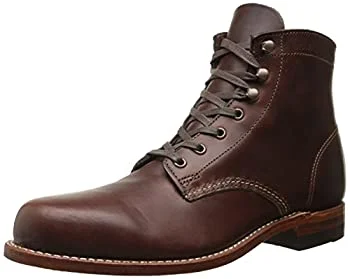
Wolverine 1000 Mile ($400) — Wolverine’s flagship uses Chromexcel on a sleek leather sole. The result is a boot that splits the difference between heritage workwear and refined Americana. The stacked leather sole develops its own patina alongside the uppers.
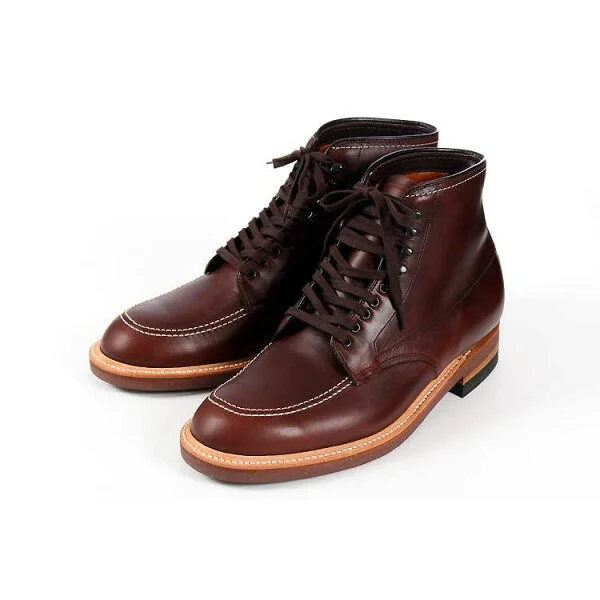
Alden Indy Boot 403 ($630) — Made famous by Indiana Jones, the Indy Boot on the Trubalance last is one of the most comfortable boots ever made. Alden’s relationship with Horween means consistently excellent Chromexcel selection.
$700+ — Luxury
Viberg Service Boot 2030 ($700) — The gold standard. Viberg’s 2030 last with stitchdown construction and Chromexcel leather produces what many consider the finest service boot in the world. The unstructured toe creates a distinctive silhouette, and the Chromexcel selection is consistently among the best in the industry.
Common Questions
Does Chromexcel stretch?
Yes. Chromexcel is a soft, pliable leather that stretches more than most boot leathers. This is why proper sizing is critical — a boot that feels snug on day one may become too loose after a month of wear. Most Chromexcel boots should feel firm but not painfully tight when new. For break-in advice, see our Break-In Guide.
Is Chromexcel waterproof?
No. While the heavy oil content provides decent water resistance for brief exposure, Chromexcel will absorb water if exposed for extended periods. It handles rain and puddles fine but should not be worn for prolonged activity in wet conditions. Water spots on Chromexcel usually disappear with brushing once the leather dries.
Why does my Chromexcel look different from photos online?
Chromexcel is a natural product with inherent variation. Each hide has unique grain patterns, color depth, and pull-up character. The same boot model in the same color can look noticeably different from pair to pair. This variation is a feature, not a defect — it is what makes each pair yours.
Conclusion
Chromexcel has earned its place as the most popular leather in the heritage boot world. Its combination of immediate beauty, dramatic aging, easy maintenance, and comfortable break-in makes it ideal for both first-time boot buyers and seasoned collectors. Whether you start with a $199 Thursday Captain or invest in a $700 Viberg, Chromexcel will reward you with a boot that only gets better with time.
🥾 Featured Boots in This Article